This article includes AI generated content (text, images) obtained with Pressnaut. All content has been fact-checked and manually revised by an human editor.
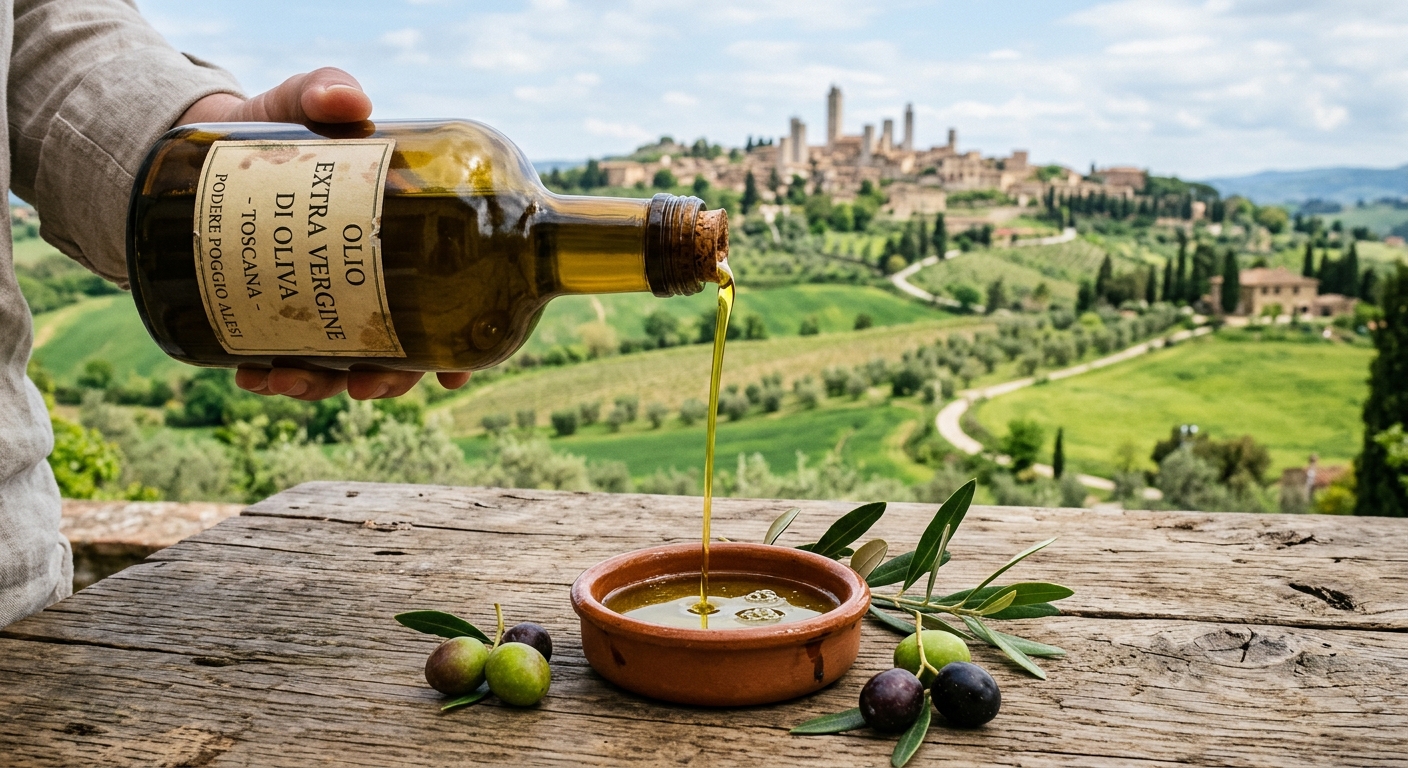
Let’s be honest — when most people think of Tuscany, they think of rolling vineyards, ruby-red Chianti, and wine tastings in sun-soaked cellars. And sure, all of that is wonderful. But here’s the thing: Tuscany has another liquid treasure that’s been quietly flowing through its hills for centuries, and nowhere is it more celebrated than in the countryside surrounding Lucca.
Welcome to the Lucchesia — the lush, green hills that cradle one of Tuscany’s most important olive oil producing zones. While Chianti gets the tour buses and the Instagram fame, the olive groves around Lucca have been producing some of Italy’s finest extra virgin olive oil since, well, a very long time. As the folks at Laudemio Frescobaldi put it, “Olive trees, together with vines, have always characterized the most typical Tuscan landscapes. Its centuries-old history has its roots in the middle ages and continued in the Renaissance.”
Olive oil isn’t just a condiment around here — it’s an identity. It’s drizzled generously over every plate, pressed in family mills that have been running for generations, and celebrated with the kind of passion that other regions reserve for their finest wines. The city even hosts an international festival — Lucca Olive Oil & You — described as “a weekend of celebrations dedicated to extra virgin olive oil.” That’s not a side event. That’s a whole weekend devoted to the stuff.
At the heart of this olive oil culture are the frantoios — the olive mills where fruit becomes liquid gold. Some of these mills have been pressing olives for over two centuries, and today, many of them open their doors to visitors for tours, tastings, and even overnight stays. Think of them as the olive oil equivalent of visiting a chateau in Bordeaux, but with far fewer crowds and arguably better bruschetta.
If you’ve already explored the hidden gems inside Lucca’s city walls, the olive oil trails of the Lucchesia are your perfect next chapter. Let me walk you through everything you need to know.
Not all olive oil is created equal — and Lucchese extra virgin olive oil is proof of that. If you’ve ever tasted a supermarket olive oil and thought, “This is fine, I guess,” then you haven’t tasted the real thing. The oils from these hills are in a completely different league, and it all comes down to terroir.
The Lucchesia sits in a kind of sweet spot. The hills surrounding Lucca offer altitude, excellent drainage, and a microclimate that’s protected by the Apuan Alps to the north. The soil is a mix of clay, limestone, and sandy loam — the kind of composition that makes olive trees work a little harder for their nutrients, which (as any farmer will tell you) tends to produce more concentrated, flavorful fruit. Cool nights and warm days during the growing season slow the ripening process, allowing the olives to develop complex flavors rather than just getting big and bland.
The olive oil character of any region depends enormously on which olive varieties — or cultivars — grow there. Around Lucca, you’ll encounter a classic Tuscan lineup with a local twist:
So what does all this add up to in the glass (or on the bread)? Lucchese EVOO tends to be notably delicate and fruity — lighter and more elegant than the robust, almost aggressive oils you might find in southern Tuscany or Puglia. Expect flavors of fresh-cut grass, almond, artichoke, and green apple, followed by a pleasant peppery finish that lingers without overwhelming. The acidity is typically very low, which is a hallmark of quality.
As the Accademia Maestrod’olio encourages, tasting regionally is the key to understanding Italian olive oil — they invite you to “discover the fragrances and tastes of the extra-virgin olive oil of excellence from the major Italian regions.” Lucca’s oils absolutely hold their own in that lineup.
Look for DOP (Denominazione di Origine Protetta) and IGP (Indicazione Geografica Protetta) labels when buying. These certifications guarantee that the oil was produced, processed, and prepared within the designated geographic area using traditional methods. They’re your assurance of authenticity and quality.
If olive oil trails have a beating heart, it’s the frantoio. The word simply means “olive mill” in Italian, but stepping into one of these places feels like walking into a living piece of history. And around Lucca, you have some truly remarkable ones to visit.
Traditionally, a frantoio was built around massive stone wheels that crushed olives into paste, which was then pressed to extract oil. Think heavy granite wheels turning slowly, the air thick with the scent of fresh olives. Many historic mills still have these original presses on display, even if modern production has shifted to continuous-cycle extraction — a cleaner, more efficient method that uses centrifugal force to separate oil from water and solids.
Both old and new methods can produce exceptional oil, and visiting a frantoio lets you see (and smell and taste) the process firsthand. It’s the kind of experience that changes how you think about that bottle sitting in your kitchen at home. If you love uncovering the deeper stories behind places, much like exploring Lucca’s legends and hidden history, a frantoio visit delivers that same sense of discovery.
If you visit a working mill (which I highly recommend), here are the questions that will make your experience richer:
As Arianna & Friends describes their guided mill tours, the experience begins with “a detailed introduction to… an oil mill located in one of the best areas of production of extra virgin olive oil in Tuscany.” That kind of context turns a simple visit into a genuine education.
Here’s a fun fact that surprises most people: professional olive oil tasting is as structured and nuanced as wine tasting. There’s a technique, a vocabulary, and even a special glass. Let me walk you through it so you can show up at your first tasting looking like you know exactly what you’re doing.
That little cough or tickle at the back of your throat? That’s the pungency — it comes from polyphenols, and it’s actually a sign of freshness and quality. Don’t fight it. Embrace it.
If you want to go deeper, the Accademia Maestrod’olio offers professional-level education. They run “workshops, seminars and tasting events for business customers, collaborators and partners” — but many of their resources and events are accessible to enthusiastic amateurs too. It’s a fantastic way to develop a palate that can distinguish between good oil and truly exceptional oil.
For most visitors, the sweet spot is a guided tasting tour that combines a walk through the olive groves, an explanation of the production process, and a multi-oil tasting paired with local foods. Arianna & Friends offers exactly this kind of experience — “an authentic Tuscan mill experience” where you “reach an oil mill located in one of the best areas of production of extra virgin olive oil in Tuscany.” Expect to taste several oils side by side, often drizzled on warm bread (fettunta), paired with local cheeses, or even with chocolate.
Meanwhile, Laudemio Frescobaldi offers opportunities to “visit the olive groves and facilities” for a more premium tasting experience with one of Tuscany’s most established producers.
If you’re exploring on your own, remember these pointers:
If you can only visit once, make it during harvest season. Nothing — and I mean nothing — compares to the energy and excitement of the Lucchesia during the olive harvest.
The olive harvest in the Lucchesia typically runs from late October through December, with the peak of activity falling in November. The exact timing depends on the weather, the cultivar, and the individual producer’s preferences — some pick early for a more pungent, green oil, while others wait for riper fruit and a softer flavor profile.
As Tenuta Torciano notes, their “olive harvest experiences for visitors to Tuscany are available in November and December.” This is when Tuscany’s olive groves come alive with activity.
Picture this: you arrive at a grove on a crisp November morning. The air smells like damp earth and fresh vegetation. A knowledgeable guide gives you “a general introduction to the world of extra virgin olive oil and to the harvesting techniques. Then you start collecting” — those are Torciano’s words, and it’s really that straightforward. You’ll learn how to use hand rakes and nets, how to identify olives that are ready for picking, and why timing matters so much for flavor.
After the picking, you follow your harvest to the frantoio and watch it get pressed — sometimes within hours of leaving the tree. The result is olio nuovo: brand-new, fresh-pressed oil that’s cloudy, intensely green, and so alive with flavor that it practically vibrates on your tongue. It’s an entirely different product from the clear, mellow oil you buy in shops months later.
The traditional way to taste olio nuovo? On fettunta — a thick slice of unsalted Tuscan bread, grilled over embers, rubbed with garlic, and generously drenched in new oil with a sprinkle of salt. It’s simplicity perfection.
If you want maximum olive oil immersion during harvest season, plan your trip around the Lucca Olive Oil & You festival. This international event packs an incredible amount into a single weekend: “discoveries, informative conferences, exclusive tours, exhibitions and tastings of extra virgin olive oil, gourmet dinners, live music and stimulating networking events.” It’s part education, part celebration, and entirely dedicated to the region’s liquid gold.
The festival is a fantastic opportunity to meet producers, taste dozens of oils side by side, and connect with other people who share your passion. Check the best time to visit Lucca guide to align your trip with both the harvest and ideal weather conditions.
Here’s where things get really fun. Olive oil tourism near Lucca isn’t just about showing up, tasting some oil, and driving away. It’s evolved into a full-blown agritourism scene where you can live the olive oil lifestyle for days on end.
Want something with a bit more adrenaline? Several producers in Tuscany now offer 4×4 Jeep tours through their olive groves. Tenuta Torciano runs one that takes you on “an exhilarating 4×4 Jeep tour through our scenic olive groves, where you will learn about the different varieties of Tuscan olive trees and the traditional cultivation methods.” It’s a brilliant way to cover more ground, see the landscape from different vantage points, and combine education with outdoor adventure.
The beauty of building a trip around olive oil is that it pairs perfectly with everything else the Lucchesia has to offer:
Most frantoio stays and guided experiences can be booked directly through the property websites or through specialist agritourism agencies. For harvest-season experiences, book well in advance — November is peak demand and availability fills quickly. Expect to pay premium rates for exclusive villa stays, while guided tasting tours are generally more affordable and can often be arranged with shorter lead times.
Alright, let’s put this all together into something actionable. Whether you have one day or several, here’s how to structure your olive oil adventure.
Day 1: Arrive in Lucca, settle into your frantoio accommodation, and enjoy a casual evening olive oil tasting on the estate.
Day 2: Full olive oil trail day — grove walks, mill visits, and a tasting lunch (see one-day itinerary above).
Day 3: Explore Lucca’s city walls, churches, and hidden corners in the morning. In the afternoon, take a cycling tour through the surrounding countryside.
Day 4: Day trip to the Garfagnana — Tuscany’s wild mountain valley — for a change of scenery, dramatic landscapes, and mountain cuisine that features (you guessed it) more excellent olive oil.
Day 5: One final tasting, stock up on olive oil to bring home, and depart with a suitcase that’s significantly heavier than when you arrived.
While November and December offer the most thrilling experience — the harvest, fresh olio nuovo, and the Lucca Olive Oil & You festival — olive oil tastings and frantoio visits are available year-round. Outside harvest season, you’ll find quieter estates, smaller crowds, and the chance to taste aged oils alongside new ones. Consult the seasonal guide to visiting Lucca to match your trip dates with what’s happening in the olive groves.
Whatever time of year you visit, the olive oil trails of the Lucchesia will reward you with flavors, stories, and landscapes that most tourists never discover. And honestly? Once you’ve tasted oil straight from the press on a hillside above Lucca, that bottle from the supermarket is never going to cut it again. You’ve been warned.