This article includes AI generated content (text, images) obtained with Pressnaut. All content has been fact-checked and manually revised by an human editor.
When you close your eyes and picture Tuscany, you probably imagine rolling hills lined with cypress trees and a glass of red wine in your hand. Most travelers immediately think of Chianti or Montalcino for their wine fix, and while those regions are spectacular, they are also incredibly crowded. If you are staying in Lucca, you are sitting on the doorstep of one of Tuscany’s most fascinating, yet underrated, wine regions: the Colline Lucchesi and the village of Montecarlo. This isn’t just about drinking wine; it is about understanding a landscape that has been shaped by silk merchants, pilgrims, and even Napoleon’s sister. Let’s pour a glass and explore why your next day trip should be a journey along the wine road of Lucca.
If you consider yourself a wine enthusiast, you might notice something surprising when you look at a wine list in a Lucchese trattoria. Alongside the traditional Sangiovese—the king of Tuscan grapes—you will see a lot of Merlot, Syrah, and Sauvignon Blanc. You might wonder if these are modern additions to appeal to international tourists, but the answer is actually rooted in history.
During the early 19th century, Lucca was ruled by Elisa Bonaparte Baciocchi, the sister of Napoleon. During her reign as the Princess of Lucca, she wanted to bring a taste of France to her Italian court. She encouraged the planting of French varietals long before the term “Super Tuscan” was ever coined. Because of this, the Colline Lucchesi DOC and Montecarlo DOC regions have a unique genetic makeup compared to the rest of Tuscany. Here, blending local grapes with French vines is not a modern trend; it is a centuries-old tradition.
Exploring this wine road offers a taste profile that is softer, more aromatic, and incredibly elegant. It is the perfect reflection of Lucca itself: refined, historically complex, and slightly different from its neighbors.
While the “Colline Lucchesi” (Lucca Hills) wrap around the northern part of the city, the heart of the wine production beats strongest in Montecarlo. No, not the one with the casinos and Formula 1 cars. This Montecarlo is a tiny, fortified medieval village perched on a solitary hill about 15 kilometers east of Lucca.
Founded in 1333 by the future Holy Roman Emperor Charles IV (hence “Monte-Carlo” or Charles’ Mountain), this village is a delight to explore on foot. Before you head to the wineries, take an hour to wander the town. The fortress (Rocca del Cerruglio) is privately owned but often open for visits, offering sweeping views of the valley below. The village itself is a maze of stone streets, small artisans, and wine bars.
What makes Montecarlo truly special is its white wine. Tuscany is famous for reds, but Montecarlo Bianco is a revelation. It is a complex blend that often includes Trebbiano, Pinot Grigio, Sauvignon, and Roussanne. It is crisp, floral, and pairs perfectly with the rabbit dishes typical of the Lucchese countryside.
The official “Strada del Vino e dell’Olio di Lucca, Montecarlo e Versilia” is a route that connects the best producers in the area. While you could just punch a winery name into your GPS, the best way to experience this is to make a loop. Here is a suggested itinerary for a slow, sensory day out.
Start your day by driving north of Lucca towards the area of Matraia and Valgiano. This area is famous for its historic villas, but the microclimate here is also exceptional for red wines. The elevation is higher, providing cooler nights that help the grapes develop acidity and complexity.
Look for wineries that practice biodynamic agriculture. The Lucca Biodinamica network has become very strong in recent years, with producers focusing on natural wines that have zero chemicals and minimal intervention. These wines can be “funky” and wild, offering a true taste of the earth. Tasting wine here often involves sitting in a garden overlooking the plain of Lucca, with the city walls visible in the distance.
Do not rush back to the city for lunch. The roads connecting Lucca to Montecarlo are dotted with “osterie” that serve local workers and winemakers. This is where you want to eat. Order a plate of tordelli lucchesi (meat-filled pasta with a rich ragù) or matuffi (soft polenta layered with mushrooms or meat sauce).
If you prefer a lighter lunch, many wineries offer a “degustazione rinforzata” (reinforced tasting). This usually includes three to five wines paired with local pecorino cheese, honey, olive oil produced on the estate, and cured meats from the nearby Garfagnana region. It is effectively a lunch, just with more wine focus.
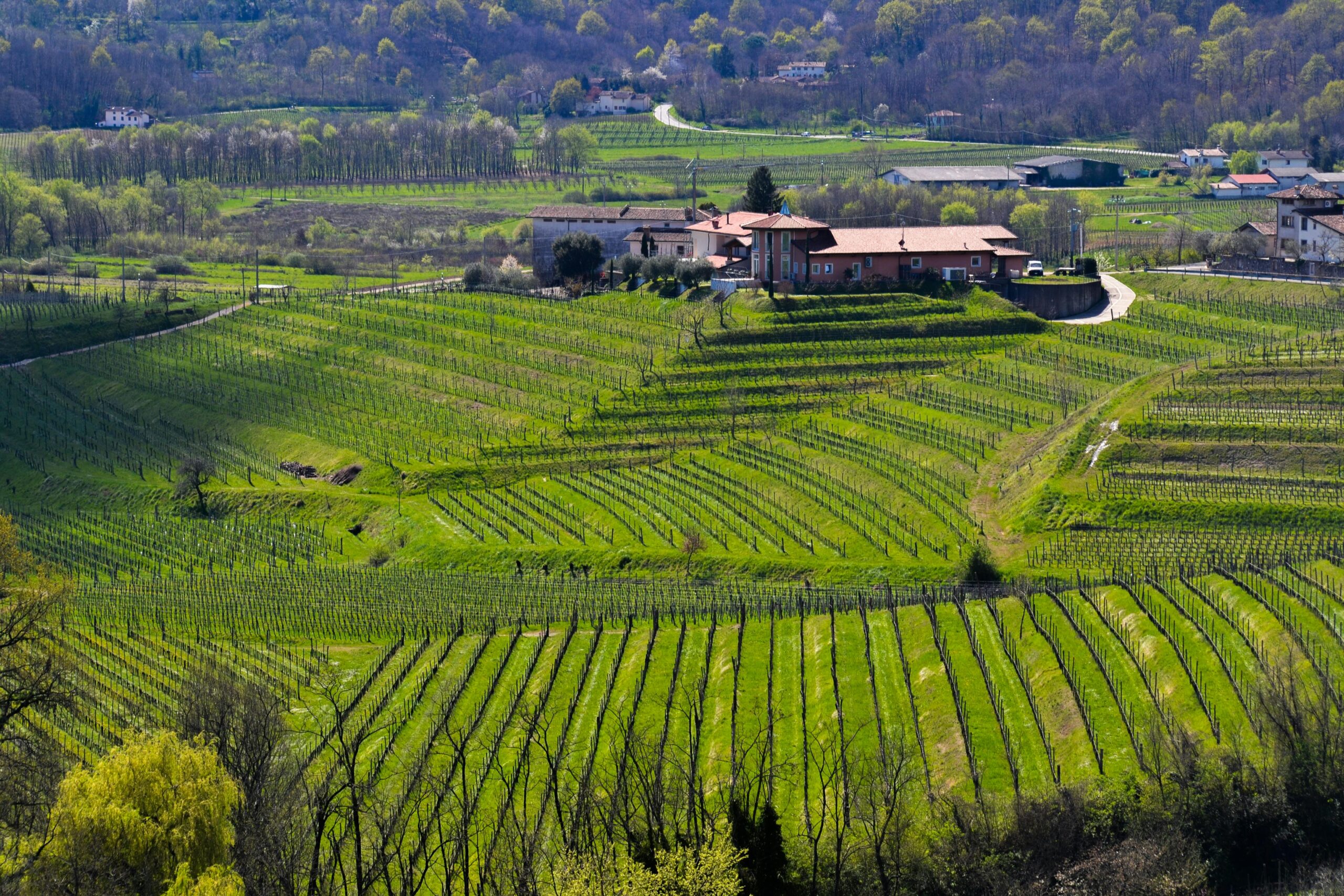
After lunch, head east to Montecarlo. The landscape changes here; the hills are gentler, and the vines are interspersed with olive groves. There are dozens of wineries in this small radius, ranging from large, historic estates to tiny family-run farms.
When visiting these estates, pay attention to the olive oil as well. Lucca is one of the few places in Italy with its own DOP for olive oil, characterized by a spicy, peppery finish and a bright green color. Most wineries produce both wine and oil, and tasting them together is the best way to understand the terroir.
Gone are the days when wine tasting meant just standing at a counter. In Lucca, producers are getting creative with how they welcome guests. If you want to elevate your experience, look for these unique activities:
To make the most of your wine tour, keep these practical tips in mind. The culture here is relaxed, but a little planning goes a long way.
Yes, absolutely. Unlike Napa Valley or some parts of Chianti where large tasting rooms are open all day, many Lucchese wineries are family-run. The person pouring your wine might be the owner or the winemaker. They need to know you are coming so they can set aside time from their work in the fields. A simple email or phone call a day or two in advance is usually sufficient.
The roads in the Lucca hills can be narrow and winding. If you want to fully enjoy the wine without worrying about the strict Italian blood alcohol limits (which are 0.5 g/l), consider hiring a driver or booking a small group tour. There are several local operators who specialize in wine tours and can pick you up directly from your flat in town.
However, if you have a designated driver, exploring by car gives you the freedom to stop for photos or take detours to interesting churches or ruins you spot along the way.
You will inevitably fall in love with a bottle that you can’t find back home. Most medium-to-large wineries in the area are set up to ship internationally. While shipping costs can be high, it is often worth it for the memories. Alternatively, you can buy special wine-travel suitcases or protective sleeves to bring a few bottles back in your checked luggage.
Understanding the local wine helps you order better food when you are back in the city center for dinner. Here is a quick cheat sheet for pairing Lucca’s wines with its traditional dishes:
| Wine Style | Grapes | Perfect Food Pairing |
|---|---|---|
| Montecarlo Bianco | Trebbiano, Pinot Grigio, Sauvignon | Rabbit cacciatore, vegetable soups (Garmugia), or fresh pecorino cheese. |
| Colline Lucchesi Rosso | Sangiovese, Canaiolo | Tordelli Lucchesi (meat ravioli) or grilled pork. |
| Merlot / Syrah Blends | International varietals | Wild boar stew (Cinghiale) or aged steaks. |
| Vin Santo | Dried white grapes | Buccellato (Lucca’s anise-flavored cake) or cantucci. |
Lucca is a city that protects its secrets behind massive renaissance walls. But sometimes, to truly appreciate the city, you have to step outside of it. The wine road of the Lucca hills and Montecarlo offers a change of pace from the museums and churches. It connects you to the land that has fed this city for centuries.
Whether you are chatting with a winemaker about the season’s rain, biting into a slice of bread drenched in new olive oil, or watching the sun dip behind the vineyards, you are experiencing Tuscany as a local. So, on your next trip to Lucca, leave the map behind, follow the “Strada del Vino” signs, and discover the spirited side of this beautiful region.