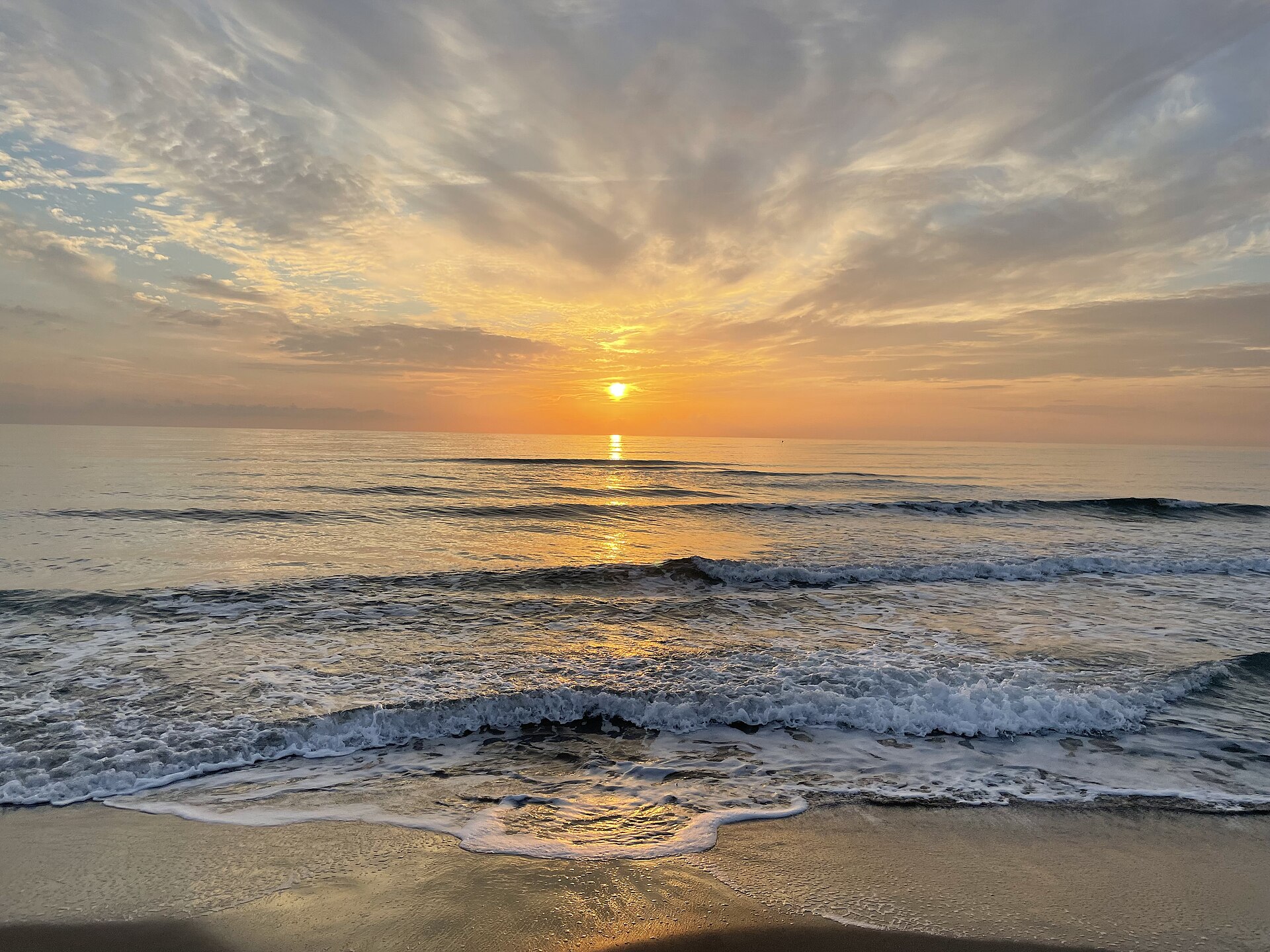
Let’s be honest for a second: we all love Lucca. There is something undeniably magical about cycling atop the Renaissance walls, getting lost in the labyrinth of cobblestone streets, and sipping a glass of bold red wine in a piazza that has seen centuries of history pass by. It is the perfect city. But sometimes, especially when the Tuscan sun starts beating down on the terracotta rooftops, you just need to feel a sea breeze.
One of the best-kept secrets among travelers—though the locals have known it forever—is that Lucca is essentially a seaside destination in disguise. While the city itself is nestled comfortably inland, protected by its iconic ramparts, the sparkling Tyrrhenian Sea is less than thirty minutes away. This makes Lucca the ultimate strategic base: you get the culture, the food, and the medieval charm by night, but you can easily spend your days lounging on the golden sands of the Versilia coast.
In this guide, we aren’t looking at the rolling hills of the wine country or the mountain trails of Garfagnana (though those are spectacular). Instead, we are packing our beach towels and heading west. We are going to explore the Liberty-style elegance of Viareggio, the artistic heartbeat of Pietrasanta, and the VIP allure of Forte dei Marmi. If you are staying in one of our flats in town, here is how to trade the city walls for ocean waves, even just for a day.
Many visitors to Tuscany make the mistake of thinking they have to choose between a “city trip” and a “beach trip.” If you stay in Florence, the sea feels like a distant trek. If you stay in Siena, you are landlocked. But Lucca? Lucca sits in a geographical sweet spot.
The logistics are incredibly simple. The train station is located just outside the southern walls (Porta San Pietro), and the connections to the coast are frequent, cheap, and fast. You don’t need to rent a car to dip your toes in the water, although having one allows for a bit more flexibility if you want to explore the northern reaches of the coast.
But it isn’t just about convenience; it is about the contrast. The vibe in Lucca is historic, introspective, and cozy. The vibe in Versilia—the coastal stretch of northern Tuscany—is open, glamorous, and vibrant. Combining the two gives you a complete picture of the Tuscan lifestyle that few tourists get to experience fully. You can have your buccellato for breakfast in Lucca and your spaghetti allo scoglio (seafood pasta) for lunch overlooking the beach.
The closest and most famous coastal neighbor to Lucca is Viareggio. A mere 20-minute train ride transports you from the Romanesque architecture of Lucca to a world of Art Nouveau (or Liberty style, as we call it in Italy). Viareggio isn’t just a beach town; it is a city with a grand history, famous primarily for two things: its massive Carnival and its stunning seaside promenade.
When you arrive, head straight for the “Passeggiata.” This is a long, pedestrianized boardwalk lined with palm trees on one side and magnificent buildings on the other. Unlike the stone facades of Lucca, the architecture here is playful, colorful, and ornate. You will see historic cafés like the Gran Caffè Margherita, with its colorful ceramic tiles and distinctive domes. It was a favorite haunt of the composer Giacomo Puccini, and sitting there with an espresso feels like stepping back into the roaring twenties.
The shopping here is also distinct from Lucca. While Lucca offers artisanal crafts and antiques, the Viareggio promenade is lined with high-end boutiques and big-brand fashion houses. It is the place to see and be seen. On Sunday afternoons, Italian families dress in their Sunday best just to walk up and down this stretch, enjoying gelato and conversation.
If you are looking to swim, you need to understand the Italian beach system. In Viareggio, the coastline is dominated by bagni (beach clubs). These are private establishments where you rent a sun umbrella and loungers for the day. It might seem strange if you are used to wild, free beaches, but the bagni offer a very civilized experience. You get changing rooms, showers, a bar, and often a restaurant right on the sand.
However, if you prefer a more rugged experience, head south toward the Darsena area. Here, the vibe changes completely. The manicured rows of umbrellas give way to the “Spiaggia della Lecciona,” a vast, free beach located within a nature reserve. It is backed by pine forests and dunes, offering a wilder, more natural connection to the sea.
If Viareggio is about the beach and the promenade, Pietrasanta is about the soul. Located just a bit further north (easily reachable by train or a short drive), Pietrasanta is often called the “Little Athens” of Italy. This town is the perfect cultural complement to Lucca.
While Lucca is famous for its silk and music history, Pietrasanta is the world capital of sculpture. Since the time of Michelangelo, artists have come here to be close to the marble quarries of Carrara. Today, the town is an open-air museum. As you walk through the historic center, you won’t just see medieval churches; you will stumble upon massive contemporary sculptures in the main piazza, modern art galleries tucked into ancient stone buildings, and dusty workshops where artisans are currently carving masterpieces.
A pro tip for our guests: go to Pietrasanta in the late afternoon. The town comes alive during the aperitivo hour. The Piazza del Duomo is stunning, dominated by the rugged facade of the cathedral and the bell tower, often juxtaposed with a giant bronze or marble statue from a visiting exhibition (artists like Botero and Mitoraj have left their mark here).
The dining scene in Pietrasanta is exceptional. It feels more cosmopolitan than the traditional trattorias of Lucca. You will find wine bars serving sophisticated small plates, art cafés, and restaurants that blend Tuscan tradition with modern culinary trends. It is chic, artistic, and incredibly romantic.
Continuing north, we reach Forte dei Marmi. If you have heard of this town, it is likely in the context of luxury. This is the playground of the European jet set, famous for its high-end designer boutiques (think Gucci, Prada, and Armani) and its incredibly expensive villas hidden behind tall pine hedges.
However, you don’t need a millionaire’s budget to enjoy “Forte.” For a visitor staying in Lucca, the main draw is actually the weekly market. Held on Wednesday mornings (and Sunday mornings in the summer), the Mercato del Forte is legendary. This is not your typical village market selling vegetables and household goods.
“The market at Forte dei Marmi is where you find cashmere sweaters, designer leather goods, and high-quality linens at a fraction of the boutique prices. It is a shopping event in itself.”
Beyond the shopping, the beach clubs here are the epitome of luxury. If you want to treat yourself to a day of pampering, renting a gazebo at a beach club in Forte dei Marmi is an experience. The service is impeccable, the sand is raked to perfection, and the seafood lunches served under the shade of the verandas are unforgettable.
We cannot talk about the coast without mentioning Giacomo Puccini again. While you may have visited his birth home in Lucca, his heart truly belonged to Torre del Lago, a quiet town situated between the sea and Lake Massaciuccoli, just south of Viareggio.
This is a fascinating stop for culture lovers. You can visit the Villa Museo Puccini, the house where the maestro lived and composed many of his operas, including Tosca and Madame Butterfly. The house is preserved exactly as he left it, right down to the piano and his hunting rifles.
But the real magic happens in the summer. The Puccini Festival takes place here in a massive open-air theater built right on the edge of the lake. Watching an opera as the sun sets over the water, with the reflection of the stage lights dancing on the lake’s surface, is a once-in-a-lifetime experience. It creates a beautiful narrative arc for your trip: born in Lucca, inspired by the lake.
Ready to swap the walls for the waves? Here is a practical breakdown of how to make the most of your day trip from Lucca to the coast.
Getting there is easier than you think. Here is a quick comparison to help you choose:
| Mode | Destination | Time | Pros |
|---|---|---|---|
| Train | Viareggio | 20-25 mins | Cheap, frequent, no parking stress. Station is central. |
| Bus (VaiBus) | Viareggio/Lido | 30-40 mins | Scenic route, drops you closer to the promenade. |
| Car | Anywhere | 25-30 mins | Freedom to visit Pietrasanta/Forte easily. |
| Bike | Viareggio | 1.5 hours | For the fit & adventurous (via Monte Quiesa). |
Since you are likely returning to Lucca in the evening, you don’t need much. However, a few essentials will make the day smoother:
The beauty of staying in Lucca is that you don’t have to compromise. You are not stuck in a seasonal beach town that shuts down in winter, nor are you isolated in the deep countryside. You are in a living, breathing city that just happens to have the Mediterranean as its backyard.
So, the next time you are enjoying a morning coffee in Piazza San Michele, check the weather. If the sky is a brilliant blue, hop on a train. Within half an hour, you could be walking the Liberty promenade of Viareggio, gelato in hand, smelling the salt air. It is the perfect palate cleanser before returning to the historic embrace of Lucca’s walls for the night.