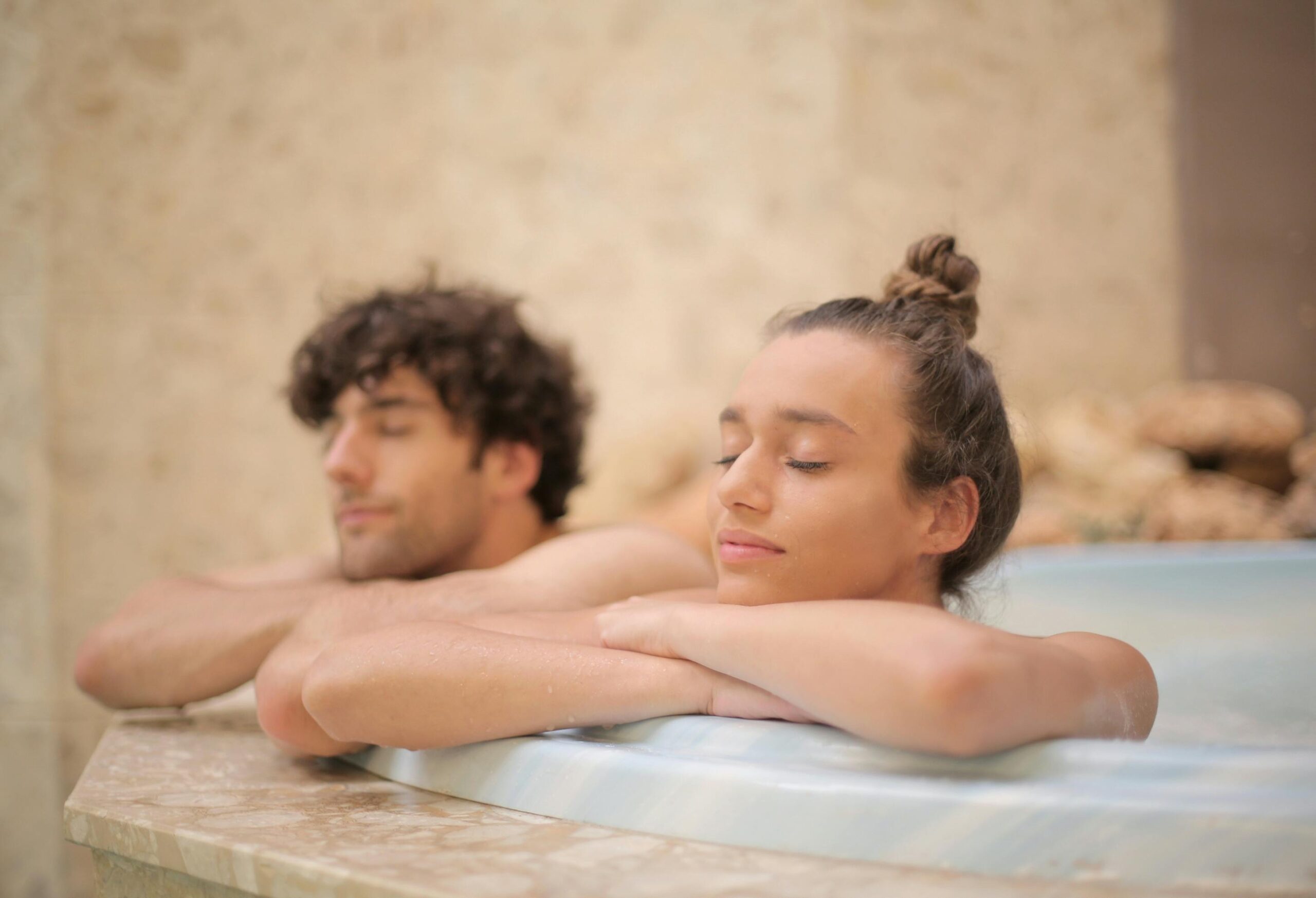
Let’s be honest for a moment: as much as we love the vibrant energy of Lucca, with its bustling piazzas and the endless loop of cycling atop the Renaissance walls, there comes a point in every traveler’s itinerary when the feet start to ache and the soul craves a bit of silence. You have climbed the Guinigi Tower, you have navigated the antique markets, and you have indulged in perhaps one too many plates of tordelli lucchesi. Now, you are looking for that quintessential Tuscan experience that doesn’t involve walking shoes or museum tickets.
Welcome to the world of Tuscan wellness. While many visitors flock to the rolling hills for the wine, locals know that the region’s true secret lies underground. The area surrounding Lucca is a geothermal goldmine, dotted with historic spa towns, natural steam caves, and luxurious thermal pools that have been soothing weary travelers since the Roman era. This isn’t just about getting a massage; it is about stepping into a tradition of healing and leisure that attracted European aristocracy, famous poets, and wandering artists for centuries.
If you are staying in Lucca, you are perfectly positioned to explore these sanctuaries of relaxation. Unlike the crowded coast or the busy streets of Florence, the thermal towns offer a slower, softer pace of life. In this guide, we are going to take you beyond the city walls to discover the best thermal baths and spas near Lucca, helping you plan a day trip that will leave you feeling completely rejuvenated.
Before we dive into the specific locations, it is worth understanding why this specific patch of Italy is so obsessed with water. The geography of Tuscany, particularly the area between the Apennines and the coast, is rich in mineral waters that bubble up from the earth at varying temperatures. These aren’t just hot tubs; these are mineral-rich waters containing sulfur, calcium, and bicarbonate, believed to have therapeutic properties for everything from arthritis to respiratory issues.
But the appeal goes beyond the chemistry. The culture of “taking the waters” is deeply ingrained in the Tuscan lifestyle. In the 18th and 19th centuries, the Grand Tour wasn’t complete without a stop at a thermal resort. It was the social hub of the elite. When you visit these places today, you are often bathing in the same marble pools used by Napoleon’s sister, Elisa Bonaparte, or walking the same promenades as Giacomo Puccini.
For the modern traveler staying in Lucca, these spas offer a perfect counter-balance to sightseeing. It is an opportunity to slow down and embrace the Italian art of dolce far niente—the sweetness of doing nothing—while submerged in warm, healing water.
If you are looking for a place that combines wellness with a heavy dose of romantic history, Bagni di Lucca is your destination. Located about 30 minutes north of Lucca in the Lima Valley, this collection of villages was once one of the most fashionable spots in Europe. It was the summer residence of the court of Lucca and a magnet for the English Romantics.
Imagine the scene: Lord Byron swimming in the river, Percy Bysshe Shelley writing poetry in the hills, and the European nobility gambling at the casino (which, incidentally, was one of the first in Europe). Today, Bagni di Lucca is much quieter, having lost some of its glitz but gaining a charming, sleepy atmosphere that feels incredibly authentic.
The thermal complex here is split between the Jean Varraud and Casa Boccella establishments. The waters here flow at temperatures ranging from 37°C to 54°C (98°F to 129°F). What makes Bagni di Lucca special is the history you can feel in the architecture. You aren’t in a sterile, modern clinic; you are in a place that has seen centuries of history.
“The baths are delightful… the country is the most beautiful I ever saw.” – Percy Bysshe Shelley, writing from Bagni di Lucca in 1818.
One of the highlights here is the Grotta Grande and the Grotta Paolina (named after Pauline Bonaparte). These are natural steam caves where the temperature is regulated by the thermal water itself. It is a natural sauna experience that feels much gentler on the lungs than a mechanical steam room.
After your treatment, take time to wander the town. Cross the “Chain Bridge” (Ponte delle Catene), an architectural marvel from 1860, and visit the Anglican Church, a testament to the large British expat community that once thrived here. It is a slightly melancholic, incredibly beautiful place that feels miles away from the tourist crowds.
Head east from Lucca towards Monsummano Terme, and you will find something truly unique. Grotta Giusti isn’t just a spa; it is a geological wonder. The 19th-century villa that houses the hotel is impressive enough, but the real magic happens underground.
Grotta Giusti is famous for its millennial thermal cave, which the composer Giuseppe Verdi once called “the eighth wonder of the world.” It is the largest thermal cave in Europe, and stepping inside feels a bit like entering a scene from Dante’s Divine Comedy—except much more relaxing.
The cave is divided into three distinct areas, humorously named Heaven, Purgatory, and Hell, based on the increasing temperature and humidity levels. don’t worry, “Hell” is actually quite pleasant, with humidity reaching near 100% and temperatures around 34°C (93°F).
At the bottom of the cave lies a crystal-clear thermal lake. For the adventurous, Grotta Giusti even offers spa diving experiences, where you can scuba dive into the warm, underground waters. If diving isn’t your thing, simply lounging in the thermal pool outdoors, which is fed by the cave waters, is an experience in itself. The water is rich in bicarbonate, sulphate, calcium, and magnesium, making it excellent for the skin.
This is a higher-end experience compared to some of the municipal baths, making it perfect for a special occasion or a romantic day out. The drive from Lucca takes about 30 to 40 minutes.
If Bagni di Lucca is the romantic countryside cousin, Montecatini Terme is the grand, aristocratic aunt. Located just a short train ride or drive from Lucca, Montecatini is perhaps the most famous spa town in Italy. It is a place of grand boulevards, manicured parks, and Liberty-style (Art Nouveau) architecture that will make you feel like you have stepped onto a movie set from the 1920s.
Unlike other spas where the focus is solely on soaking, Montecatini has a strong tradition of drinking the thermal waters (idropinica). The waters here are classified as strong, medium, or weak, and are prescribed for various digestive ailments. However, you don’t need a doctor’s note to enjoy the sheer beauty of the establishments.
You simply cannot talk about Montecatini without mentioning the Tettuccio Terme. Even if you have no interest in spa treatments, you should visit for the architecture alone. It is an open-air temple of wellness with soaring colonnades, intricate tile mosaics, and lush gardens. It is theatrical and incredibly photogenic.
While the Tettuccio is largely for drinking the waters and walking (the traditional morning routine), other establishments in town, like the Redi and Excelsior baths, offer the full range of mud baths, massages, and thermal pools. In the evening, the town comes alive with a retro vibe. We recommend taking the funicular railway up to Montecatini Alto, the medieval village perched above the spa town. The view over the valley at sunset, spritz in hand, is the perfect way to cap off a wellness day.
Located in San Giuliano Terme, roughly halfway between Lucca and Pisa, lies the Bagni di Pisa. This is arguably one of the most visually stunning spa hotels in Tuscany. It was the summer spa residence of Grand Duke Francis Stephen of Lorraine, and later, the rulers of Tuscany.
The structure itself is a palace, restored to its 18th-century glory. Think frescoed ceilings, terracotta floors, and marble everywhere. From Lucca, it is an incredibly easy drive (about 15-20 minutes) via the picturesque road that hugs the base of the Pisan Mountains (Monti Pisani).
The highlight here is the Hammam of the Grand Duke, a small natural steam cave carved into the rock, accessible directly from the treatment area. The main thermal pools are expansive and offer a mix of indoor and outdoor bathing. Because of its proximity to Lucca, this is the easiest option for a quick half-day escape.
If you enjoy hiking, there is a fantastic trail that leads from the back of the hotel up into the hills, offering sweeping views of the Leaning Tower of Pisa in the distance. A popular local itinerary is to hike the hills in the morning and soak in the pools in the afternoon.
Ready to pack your swimsuit? Here are a few practical tips to make sure your Tuscan spa experience goes smoothly. The culture here might be slightly different from what you are used to back home.
While the luxury hotels (Grotta Giusti, Bagni di Pisa) provide robes and slippers, some of the more traditional or municipal establishments might charge extra for renting them. To be safe and save a few euros, we recommend packing:
Post-2020, booking is essential for almost all these locations, especially on weekends. The “day spa” packages are very popular with locals. If you are visiting Lucca in the summer, try to book a twilight or evening session. The air cools down, the pools are lit up, and the atmosphere is magical.
By Car: This is the best way to reach Bagni di Lucca and Grotta Giusti. The roads are scenic and parking is generally available.
By Train: Montecatini Terme is easily accessible by train from Lucca (direction Florence). The station is right in the center of town. San Giuliano Terme (Bagni di Pisa) also has a train station, though the service is less frequent than the main line.
Lucca is a city that invites you to linger, to observe, and to enjoy the finer things in life. Adding a day at a thermal spa isn’t just a luxury; it’s a way to connect with the land itself. Whether you choose the literary echoes of Bagni di Lucca, the subterranean wonder of Grotta Giusti, or the Liberty grandeur of Montecatini, you are participating in a ritual that has defined Tuscan life for centuries.
So, go ahead. Take a break from the itinerary. Let the warm, mineral-rich waters wash away the fatigue of travel. When you return to your flat in Lucca that evening, refreshed and relaxed, that glass of Chianti is going to taste even better.